


As we dive into the topic of mold, I want to take you back to my 4th grade school project.
A small Barbie dollhouse that I turned into a “mold house” with black Sharpie covering the walls. I stood in front of my class explaining the dangers of black mold, having no idea how much that topic would follow me into adulthood… and eventually into my clinical career as a dietitian.
Looking back, mold wasn’t just a school project—it was a defining part of my childhood.
Only a few years after moving into what was supposed to be our brand-new home — a home my parents had built from the ground up — they discovered black mold caused by a leak in the roof after a bad storm. After years of mold experts “treating” areas of our home, it eventually had to be torn down.
And with it went so much more than just walls.
Clothes, toys, baby blankets—memories. To this day, boxes of baby photos still sit sealed, carrying the unmistakable smell of mold.
In true “make the best of it” fashion (which tells you everything about my parents), they even hosted a small gathering on the driveway during the teardown — serving drinks and appetizers while blasting “Brick House.” We somehow turned the end of our home into a moment we could laugh through.
But behind that resilience, there were always questions about how that mold exposure impacted our health.
As someone who grew up with food allergies, psoriasis, histamine issues, and a generally sensitive system, mold was never just a past experience — it was always a possibility lingering in the background, and something that became a piece of my overall health story.
And it’s a question I now explore every day with my clients who also have their own stories of living in a moldy environment.
That said, it’s important to clarify: mold is never where I begin.
Mold can produce compounds called mycotoxins, which may enter the body through inhalation (often from the indoor environment), ingestion (through contaminated foods), or skin contact. Of these, inhalation tends to be the most common route—typically from living or spending extended time in a mold-affected home.
But what I find most important clinically is this: not everyone responds to mold exposure the same way.
Roughly speaking, about 75% of people are able to recognize these compounds and effectively neutralize and eliminate them through their immune system. For this group, exposure doesn’t necessarily lead to ongoing symptoms.
The remaining ~25% may have more difficulty mounting that same response, which can make it harder to clear and detoxify these compounds efficiently. In those cases, exposure may contribute to a buildup over time and show up as more persistent or complex symptoms.
In practice, mold exposure is rarely looked at in isolation. More often, it shows up as one piece of a larger picture, especially in clients dealing with histamine-related symptoms or broader inflammatory patterns. That’s why I always take a step back and look at someone’s full history, including their current environment and any past exposure to water-damaged buildings.
There are also a few lab patterns that can sometimes raise a flag and prompt me to look deeper:
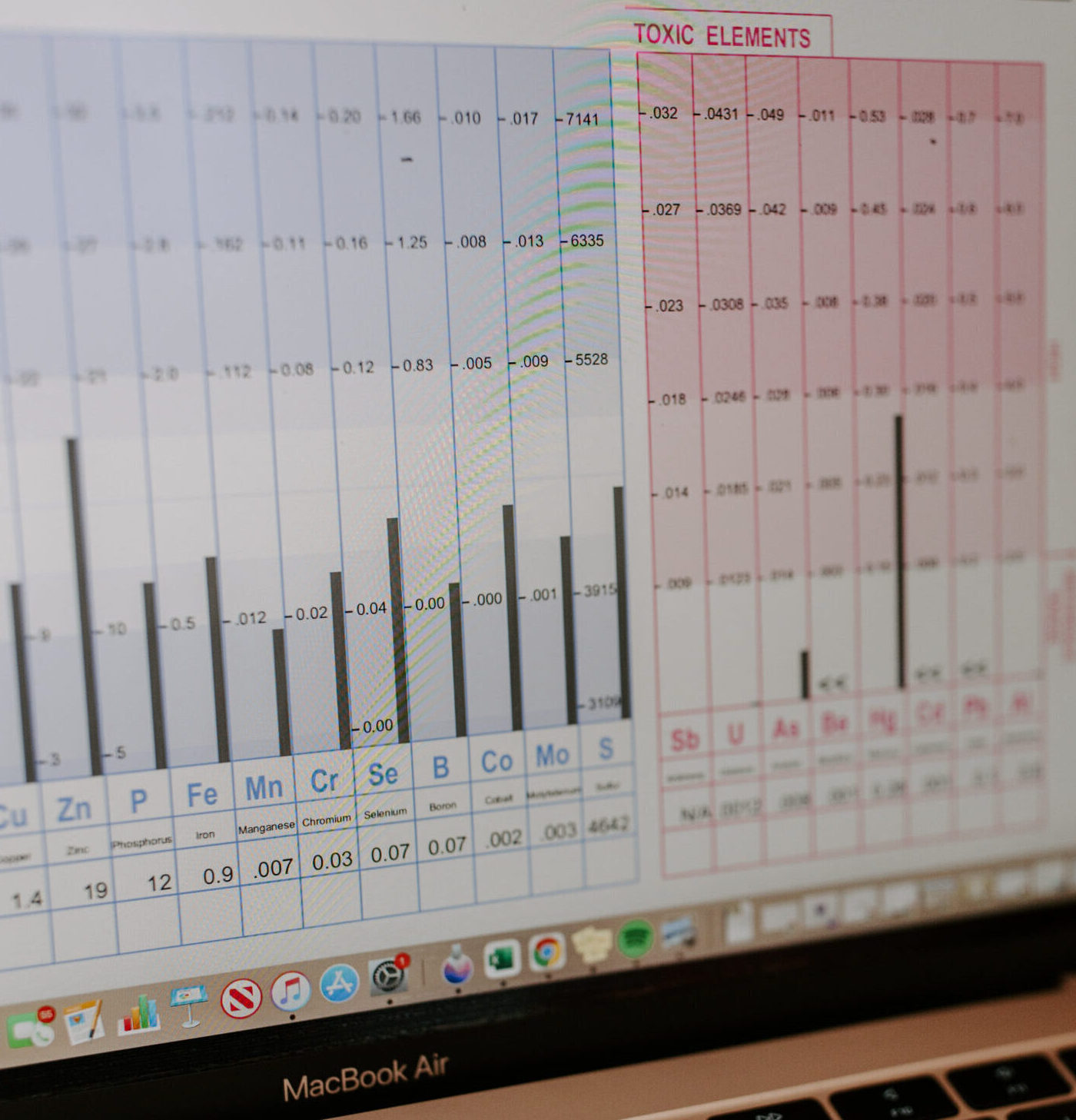
- Dysregulated iron markers
- Elevated CRP
- Low zinc
- Elevated white blood cells
- Very high histamine levels
If mold seems like it could be part of the picture, I approach it in layers.
First, we make sure we’re not continuing to be exposed, because supporting the body won’t go very far if the source is still present.
From there, we focus on the foundations: supporting digestion, ensuring regular bowel movements, encouraging healthy liver and gallbladder function, optimizing minerals, supporting histamine breakdown, and supporting lymph through movement and sweating.
If someone still isn’t improving as expected, and there’s a strong clinical indication, we may then explore targeted mycotoxin testing (urine sample) and more targeted support.
But in reality, most people don’t need to go that far, especially once the foundational pieces are addressed and the environment is taken into account.
Brianna was a prime example of this:
This program has helped me tremendously and I couldn’t be more thankful for it. I feel the best I have in years. I know how to properly support my body which overall supports my emotional and mental health. I finally feel rested, have enough energy to support my body, & I physically feel great when I eat and I am not struggling with feeling so bloated and heavy now after each meal.Jamie worked with me so closely and adjusted to what best supported me and my body. Not only does she support you through the program, she provides you the tools to be able to support yourself after the program. I feel so much more in tune with my body and confident in how to support it all thanks to this program.






Comments +